
Two Brands, Two Approaches to Building Lasting Cars
Toyota and Honda are frequently mentioned in the same breath when American drivers talk about reliability - and for good reason. Both brands have sustained strong reputations for building cars that hold up over hundreds of thousands of miles. But the underlying logic each company uses to achieve that durability is meaningfully different, and understanding that distinction helps drivers make smarter choices.
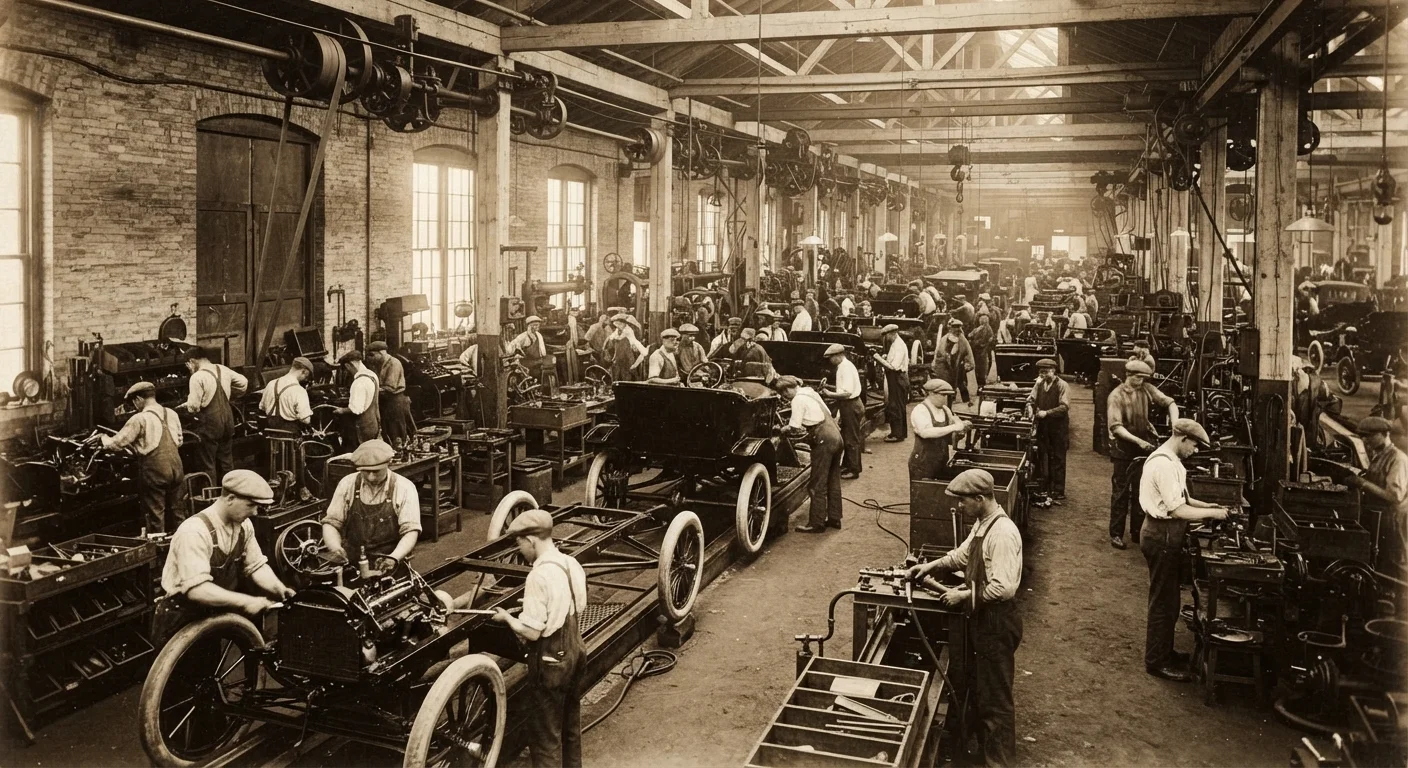
Toyota's philosophy is rooted in the Toyota Production System (TPS), a manufacturing discipline developed after World War II that emphasizes eliminating waste, standardizing processes, and building quality into every step of production rather than catching defects after the fact. The result is a company that tends to adopt new technology only after it has been extensively validated - sometimes years behind competitors - because consistency and predictability are treated as non-negotiable.
Honda, by contrast, has historically functioned more like an engineering laboratory. The company's founder, Soichiro Honda, prioritized technical curiosity and mechanical innovation above nearly everything else. That ethos survives today in decisions like Honda's early adoption of double-wishbone suspension across mainstream models, its development of VTEC variable valve timing, and its continued investment in fuel cell technology. Honda often gets to ideas first, even if Toyota eventually scales them more efficiently.
For a broader look at how national engineering traditions shape vehicle character, see our article on how country of origin shapes car design philosophy.
| Criterion | Toyota | Honda |
|---|---|---|
| Core reliability philosophy | Process-driven manufacturing consistency | Mechanical engineering innovation |
| Hybrid technology maturity | Industry-leading, two-plus decades of refinement | Capable, with growing lineup of hybrid models |
| Standard safety suite | Toyota Safety Sense on nearly all models | Honda Sensing on most trim levels |
| Driving dynamics emphasis | Comfort and predictability focused | Driver engagement and feedback focused |
| Turbocharged engine adoption | Conservative - favors naturally aspirated and hybrid | Broader turbo adoption across mainstream lineup |
| Technology rollout pace | Deliberate - validates before deploying widely | Earlier adoption of novel engineering solutions |
| Parts & independent mechanic access | Excellent nationwide availability | Excellent nationwide availability |
Reliability Records and What Actually Drives Them
Both brands appear consistently near the top of long-term reliability studies published by organizations such as J.D. Power and Consumer Reports, but the mechanisms behind their scores differ. Toyota's reliability tends to come from system-level consistency - vehicles that rarely deviate from expected behavior across high mileage because the manufacturing process minimizes variation. Honda's reliability, while equally strong in aggregate, is more closely tied to proven powertrain engineering, particularly its naturally aspirated engines, which have demonstrated exceptional longevity in the US market.
One area where the two brands have diverged in recent years is turbocharged engine adoption. Honda introduced turbocharged four-cylinder engines across several core models, a move that improved performance and fuel economy figures on paper but introduced some early reliability concerns in specific variants. Toyota has been more cautious about turbocharged offerings in its mainstream lineup, preferring naturally aspirated engines and hybrid systems that carry longer track records.
Top 3
Toyota's typical long-term reliability ranking
Toyota has appeared in the top tier of Consumer Reports' annual auto reliability surveys across multiple consecutive years.
200,000+
Miles many Honda and Toyota engines routinely reach
Owner surveys and automotive data aggregators such as iSeeCars have repeatedly identified both brands among those most commonly driven past 200,000 miles.
~20%
Lower-than-average maintenance costs for both brands
RepairPal data has consistently shown Toyota and Honda owners spend meaningfully less annually on repairs than the US vehicle average.
For drivers who want to keep their vehicles running well regardless of brand, our guide on staying on top of car maintenance without a mechanical background offers practical habits that work for any vehicle.
Safety Technology: Similar Goals, Different Rollout Strategies
Both Toyota and Honda now offer comprehensive driver-assistance suites across their lineups, but their approaches to deployment reflect their broader philosophies. Toyota Safety Sense - which bundles pre-collision warning, automatic emergency braking, lane departure alert, and adaptive cruise control - became standard equipment on virtually every Toyota sold in the US market, a decision that prioritized broad access over incremental upselling.
Honda Sensing, the brand's equivalent suite, similarly became standard across most trim levels, though Honda's rollout varied slightly more by model year and region. Honda has also invested heavily in its own sensor architecture, choosing to rely on a camera-and-radar combination that the company developed and refined independently rather than sourcing systems wholesale from Tier 1 suppliers.
Neither brand's approach is inherently superior - both systems perform well in independent testing - but Toyota's more uniform standardization means buyers are less likely to accidentally purchase a trim without core safety features.
To understand how these brands fit into the wider US market, our overview of America's most popular car brands provides useful context on how Toyota and Honda stack up against the full competitive field.
A Note on Model-Level Variation
Brand-level reliability reputations are useful starting points, but individual models within any brand can vary considerably. A highly rated brand may have specific trims or model years with known issues, while a lower-ranked brand may have standout models with excellent track records. Always research the specific model year you're considering, not just the brand overall. Resources like Consumer Reports, J.D. Power, and the NHTSA complaints database provide model-specific data that brand averages cannot capture.