
Why Trucks Dominate American Roads
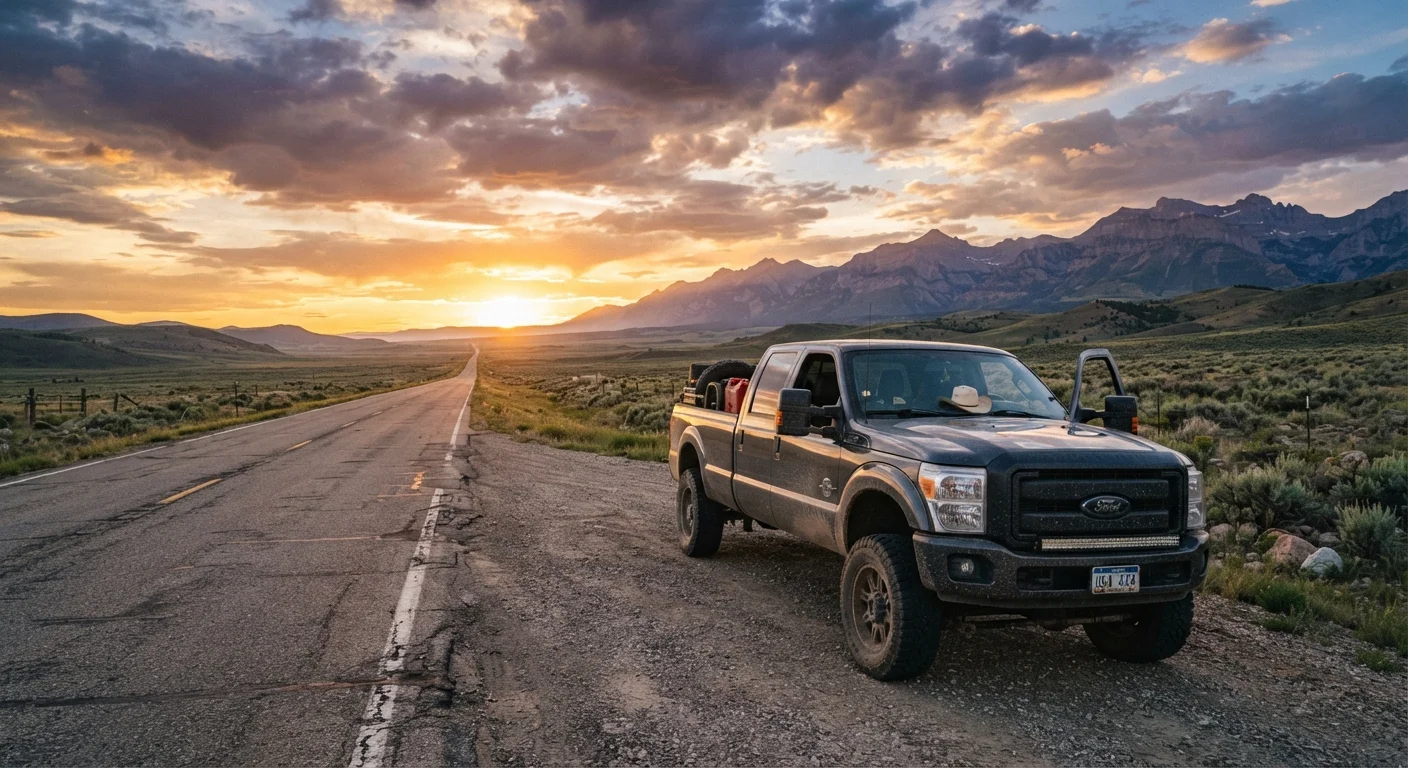
For well over a decade, full-size pickup trucks have occupied the top three spots on annual US vehicle sales rankings. Models like the Ford F-Series, Chevrolet Silverado, and Ram 1500 are not niche products - they are the mainstream. Understanding why helps frame the trade-offs honestly.
Part of the appeal is deeply practical. The United States has vast rural and suburban landscapes, abundant towing and hauling needs, and a working culture in which a truck's bed and hitch are tools, not accessories. Another part is cultural: trucks carry symbolic weight around independence, capability, and American identity that has proven durable across generations. Understanding how vehicle segments are designed helps clarify which of those motivations a truck genuinely serves.
Neither motive is invalid - but they lead to very different ownership experiences, and conflating them is where many buyers run into regret.
The Genuine Strengths of Owning a Full-Size Truck
Modern full-size trucks are engineering achievements. Their capabilities have expanded significantly over the past two decades, and many of the advantages below reflect measurable, real-world utility.
Class-leading towing and payload capacity
Full-size trucks routinely offer towing ratings between 10,000 and 14,000 pounds and payload capacities exceeding 2,000 pounds, capabilities no crossover or SUV can match. This makes them genuinely indispensable for contractors, farmers, and anyone regularly moving boats, trailers, or heavy equipment.
Versatile open bed for hauling
The pickup bed accepts cargo that simply cannot fit inside a closed vehicle - lumber, mulch, furniture, motorcycles, equipment - without the need for trailers. This utility is immediate and practical for home improvement projects, landscaping, and recreational use.
Four-wheel drive and off-road capability
Most full-size trucks come with available four-wheel drive systems and substantial ground clearance, giving them reliable traction in snow, mud, and rough terrain that challenges lower-riding vehicles.
Durability and long service life
Truck frames and drivetrains are engineered for demanding work cycles. With regular maintenance, many owners report high-mileage reliability that extends the useful life of the vehicle well beyond average passenger car benchmarks.
Strong resale value relative to segment
Full-size trucks have historically held their value better than many passenger car segments, partly due to sustained demand from work and commercial buyers who need used trucks regardless of economic cycles.
Increasing cabin comfort and technology
Modern truck interiors offer noise insulation, advanced driver-assistance systems, large infotainment screens, and upscale trim options that make long-distance driving comfortable for passengers as well as drivers.
#1
Best-selling vehicle in the US for 47 consecutive years
The Ford F-Series has held the title of the United States' best-selling vehicle for over four decades, reflecting the category's broad and sustained appeal.
~15 MPG
Typical combined fuel economy for full-size trucks
EPA combined estimates for popular full-size truck configurations with V8 engines commonly fall in the 14-17 MPG range, significantly below the US passenger car fleet average.
$60K+
Average transaction price for new full-size trucks
Industry analysts have tracked average new truck transaction prices well above $60,000, driven by buyer preference for higher trim levels and option packages.
Beyond raw capability, trucks have become considerably more refined. Ride quality, cabin technology, and comfort features in current-generation models rival many luxury SUVs, which explains their broad appeal well beyond jobsite use. The long rivalry between domestic truck brands has pushed both capability and refinement forward across the segment.
The Real-World Downsides Buyers Often Underestimate
Trucks carry costs and limitations that are easy to overlook when enthusiasm is high and a sales sheet is in front of you. The following disadvantages are not rare edge cases - they affect a significant share of truck owners regularly.
Significantly lower fuel economy
Even trucks equipped with turbocharged V6 or hybrid powertrains lag behind comparably priced SUVs and sedans in fuel efficiency. For high-mileage commuters, the annual fuel cost difference can amount to hundreds or thousands of dollars.
Large footprint creates parking and maneuverability challenges
Extended and crew cab trucks can stretch well beyond 20 feet in length, making urban parking, multi-level garages, and tight turns genuinely difficult. This is a daily friction point for drivers in denser metro areas.
High purchase price and financing costs
Fully configured full-size trucks frequently carry MSRPs in the $55,000-$75,000 range, placing them among the most expensive everyday vehicles on the market. Higher sticker prices translate directly to larger loan balances and more interest paid over time.
Ride height creates entry and exit difficulty
The elevated cab height that aids visibility and off-road clearance also means climbing in and out requires more effort - a practical concern for older drivers, shorter passengers, and families with young children.
Higher insurance and registration costs
Larger vehicles with higher replacement values generally carry higher insurance premiums, and several states calculate registration fees partly based on vehicle weight or MSRP, adding to the annual cost of ownership.
Cargo bed exposed to weather without add-ons
Unlike an enclosed cargo area, an open truck bed offers no weather protection for cargo by default. Bed covers, liners, and toolboxes add utility but also add cost and require decisions most buyers don't fully consider at purchase time.
Midsize Trucks: A Middle Ground Worth Considering
For buyers attracted to truck utility but concerned about size and fuel costs, midsize trucks offer a meaningful compromise. Vehicles in the midsize segment deliver solid towing and payload numbers, improved fuel economy, and a smaller footprint that is easier to park and maneuver. They won't match a full-size truck's maximum capability, but for many real-world use cases, the gap is smaller than the price and efficiency difference suggests.
Depreciation and total cost of ownership deserve particular attention. Common car ownership mistakes - including underestimating fuel and insurance costs - are especially pronounced with trucks, where the numbers are larger at every stage.
Asking the Right Questions Before You Buy
The most useful exercise a prospective truck buyer can do is audit their actual driving patterns over a 30-day period. How many days did you tow something? How many loads did you haul? How often did you need four-wheel drive or meaningful ground clearance? For buyers whose honest answers reveal mostly highway commuting and grocery runs, a smaller vehicle - or even a capable midsize truck - may serve them better at lower cost.
That is not a knock on trucks. It is an acknowledgment that a vehicle optimized for heavy-duty work carries real trade-offs in everyday use, and those trade-offs have a price. The question of domestic versus imported alternatives is also worth examining without mythology; the domestic vs. import debate involves more nuance than brand loyalty alone suggests.
Ownership should match how you live, not how you imagine living. For the right driver, a full-size truck is an exceptional, durable tool. For others, it's an expensive compromise.