
What Makes Debt 'Secured' or 'Unsecured'?
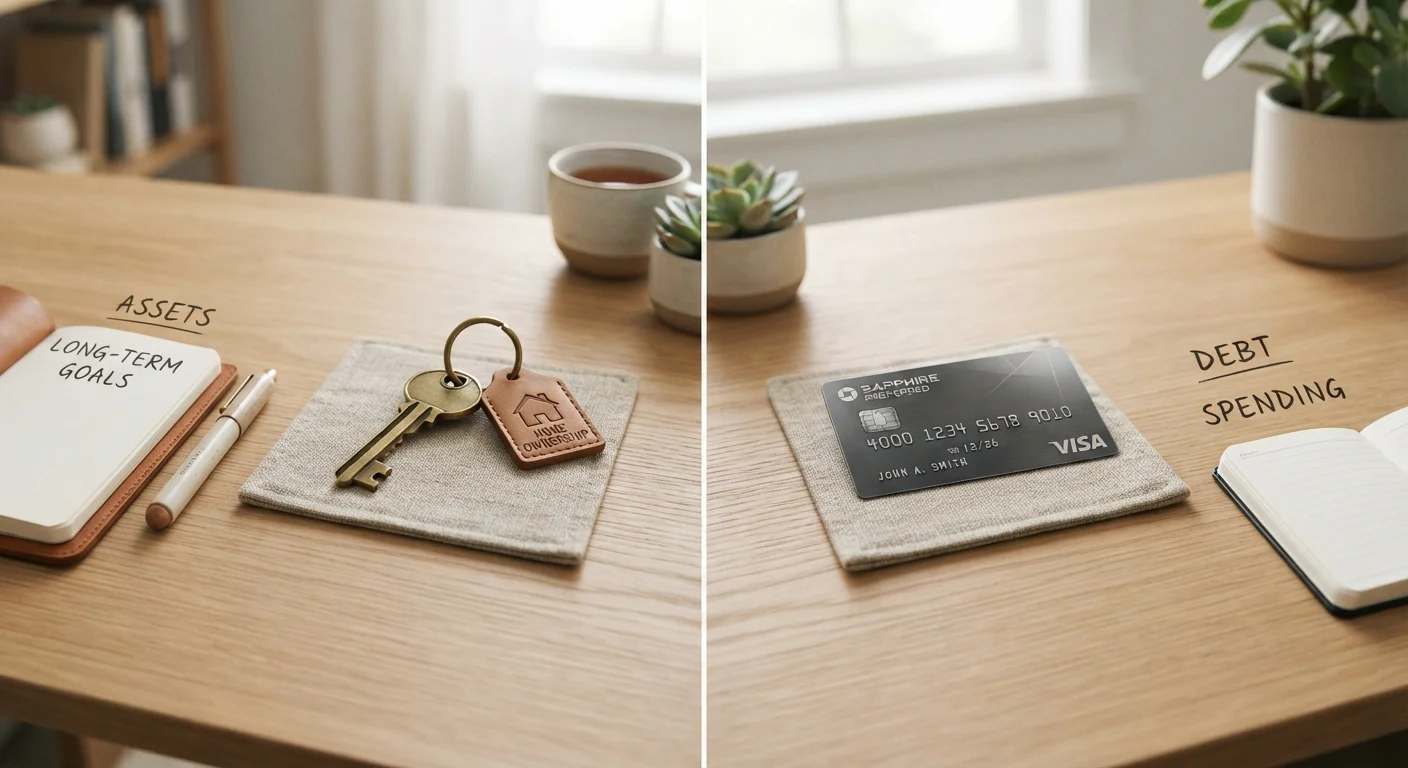
At its core, the secured vs. unsecured distinction comes down to one question: does the loan require you to pledge an asset to back it up?
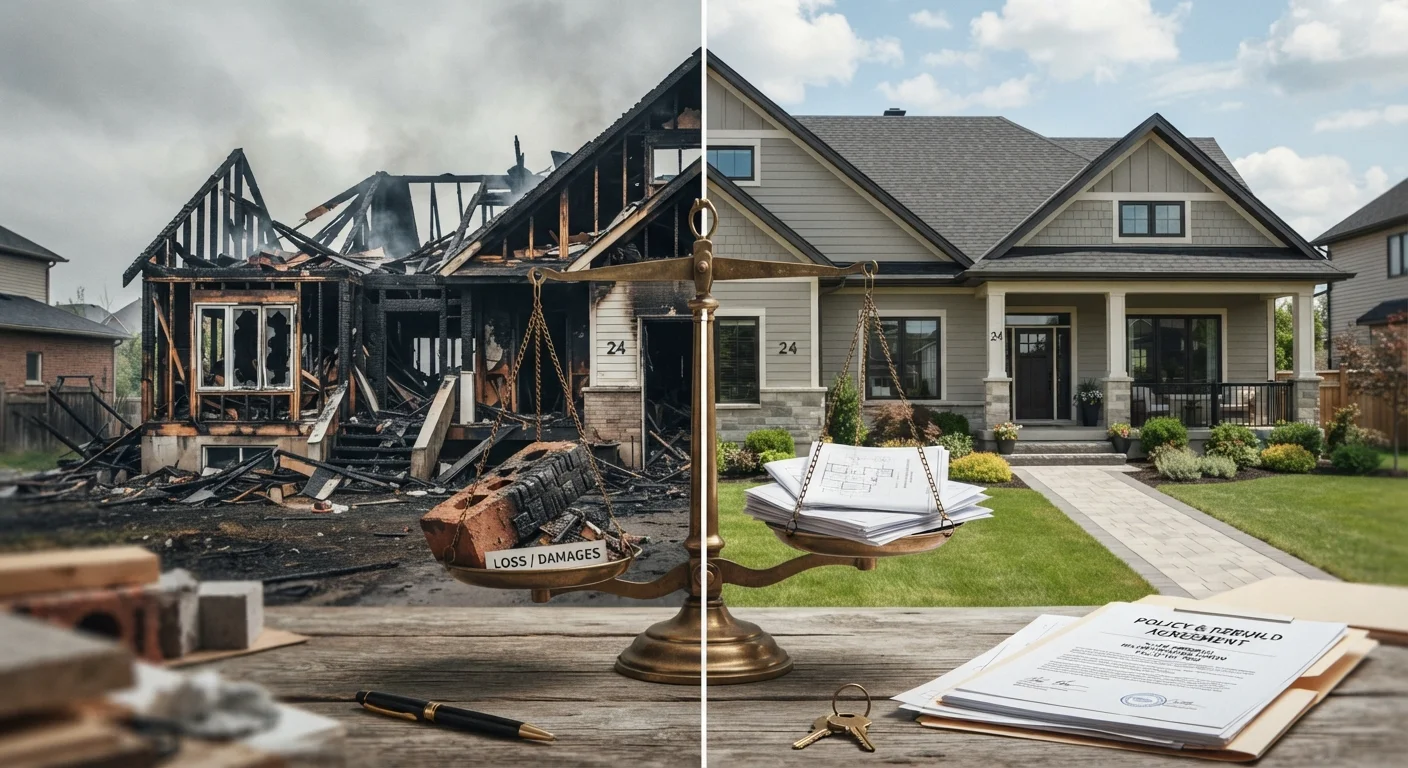
Secured debt is tied to a specific piece of collateral - typically a home, vehicle, or savings account. If you stop making payments, the lender has a legal right to take that asset to recover what they're owed. Common examples include mortgages, auto loans, and home equity lines of credit (HELOCs).
Unsecured debt, by contrast, is extended based solely on your creditworthiness - your income, credit score, and borrowing history. There is no asset attached. Credit cards, personal loans, medical bills, and student loans (in most cases) are common unsecured obligations.
This structural difference shapes nearly everything downstream: the interest rate you're offered, the lender's options if you default, and how each type of debt should factor into your repayment strategy. If you're working through multiple debt types simultaneously, understanding this distinction is a prerequisite to making sound decisions about which balances to prioritize.
| Criterion | Secured Debt | Unsecured Debt |
|---|---|---|
| Collateral required | Yes (home, car, savings) | No |
| Typical interest rates | Generally lower | Generally higher |
| Common examples | Mortgage, auto loan, HELOC | Credit card, personal loan, medical bill |
| Default consequence | Asset seizure (foreclosure, repossession) | Collections, credit damage, possible judgment |
| Loan amounts | Typically larger | Typically smaller |
| Repayment terms | Often long-term (years to decades) | Short- to medium-term or revolving |
| Lender risk | Lower (backed by asset) | Higher (credit-based only) |
Risk and Consequences: What Happens If You Can't Pay?
The collateral requirement in secured debt creates an asymmetry in consequences. When a borrower defaults on a mortgage, the lender can initiate foreclosure proceedings to reclaim the property. When a borrower defaults on an auto loan, repossession is the likely result. These actions can unfold relatively quickly and without a court judgment in many states.
Unsecured debt follows a different enforcement path. A lender cannot seize your property simply because you stopped paying a credit card bill. Instead, the creditor may sell the account to a collections agency, report the delinquency to credit bureaus - significantly damaging your credit score - and ultimately pursue a civil lawsuit to obtain a court judgment. Once a judgment is entered, enforcement tools like wage garnishment or bank account levies may become available, depending on state law.
This does not mean unsecured debt is consequence-free. The credit damage from a default can affect your ability to rent housing, qualify for future loans, or secure competitive insurance rates. For readers managing multiple obligations, resources like our overview of debt repayment strategies can help frame how to sequence payoffs across debt types.
Student Loans: A Special Category
Federal student loans are technically unsecured - no asset backs them - but they carry unique enforcement tools unavailable to most creditors, including wage garnishment without a court judgment and offset of federal tax refunds. Private student loans are also unsecured but follow more traditional collection paths. Neither type is dischargeable in bankruptcy under most circumstances, making them a distinct subset of unsecured debt worth understanding separately.
Interest Rates, Loan Terms, and the Cost of Borrowing
Because secured debt poses less risk to lenders - they have a recoverable asset if things go wrong - it generally carries lower interest rates than equivalent unsecured borrowing. A mortgage might carry a rate well below what a personal loan of similar size would require.
Unsecured debt compensates lenders for their added risk through higher rates. Credit card APRs, for instance, are frequently in the double digits, while personal loan rates vary widely based on credit profile.
~20%
Average credit card APR in recent years
Federal Reserve data has shown average credit card interest rates consistently above 20% in recent periods, underscoring the cost of carrying unsecured revolving balances.
~6-7%
Approximate range for 30-year fixed mortgage rates
Mortgage rates fluctuate with market conditions, but secured home loans have historically carried significantly lower rates than unsecured consumer credit.
35%
Payment history share of FICO score
According to FICO, payment history is the single largest factor in your credit score, affecting both secured and unsecured borrowing capacity equally.
Loan terms also differ. Secured loans often span years or decades - a 30-year mortgage being the most familiar example. Unsecured personal loans typically run two to seven years. Credit cards are revolving, with no defined payoff date, which is why carrying balances long-term can be particularly costly.
For borrowers weighing how to allocate funds across their obligations, it's worth reviewing structured options like debt management plans, which are designed primarily for unsecured debts and may offer negotiated rate reductions through a credit counseling agency.
This article is for general informational and educational purposes only and does not constitute personalized financial, legal, or credit advice. Consult a licensed financial adviser or credit counselor regarding your specific situation.