

What the Two Numbers Actually Mean
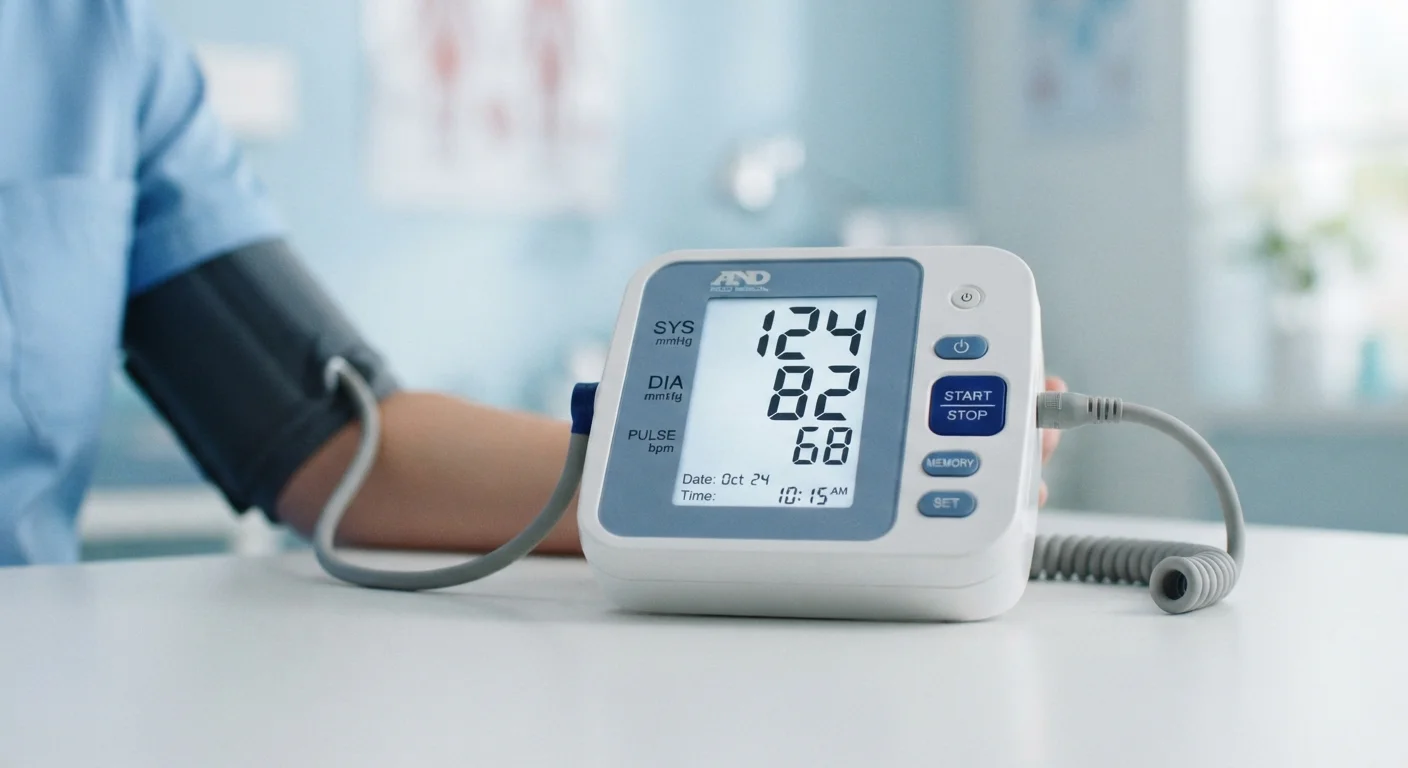
Every blood pressure reading consists of two values expressed as a fraction - for example, 120/80 mmHg. These numbers measure the force your blood exerts against the walls of your arteries at two distinct moments in each heartbeat cycle.
Systolic pressure (the top number) reflects the pressure when your heart muscle contracts and pushes blood out into the arteries. Diastolic pressure (the bottom number) measures the pressure between beats, when the heart is at rest and refilling. Both values matter independently - elevated readings in either position signal increased cardiovascular stress.
| Optimal Blood Pressure | Less than 120/80 mmHg (American Heart Association / American College of Cardiology guidelines) |
| Hypertension Stage 1 Threshold | 130/80 mmHg (2017 ACC/AHA Hypertension Guidelines) |
| U.S. Adults with Hypertension | Approximately 47% (CDC National Center for Health Statistics) |
| Measurement Unit | Millimeters of mercury (mmHg) |
| Hypertensive Crisis Threshold | Above 180/120 mmHg (American Heart Association) |
| Recommended Measurement Approach | Multiple readings on separate occasions |
Blood pressure is measured in millimeters of mercury (mmHg), a unit carried over from traditional mercury sphygmomanometers. Modern digital cuffs use pressure sensors but report results in the same unit, so readings remain directly comparable across devices and clinical settings.
The Blood Pressure Classification Ranges
The American Heart Association and American College of Cardiology jointly define the following categories for adults:
| Category | Systolic (mmHg) | Diastolic (mmHg) |
|---|---|---|
| Normal | Less than 120 | Less than 80 |
| Elevated | 120-129 | Less than 80 |
| Stage 1 Hypertension | 130-139 | 80-89 |
| Stage 2 Hypertension | 140 or higher | 90 or higher |
| Hypertensive Crisis | Higher than 180 | Higher than 120 |
A single elevated reading does not confirm hypertension. Clinicians typically confirm a diagnosis after multiple readings taken on separate occasions, since blood pressure fluctuates with stress, activity, caffeine intake, and even the act of being measured - a phenomenon known as white-coat hypertension.
Systolic Pressure
The top number in a blood pressure reading. It measures arterial pressure during the moment the heart contracts and ejects blood. Elevated systolic readings are strongly associated with cardiovascular risk, particularly in older adults.
Diastolic Pressure
The bottom number in a blood pressure reading. It reflects arterial pressure while the heart rests between beats. Persistently high diastolic values indicate the arteries are under constant excess tension.
Hypertension
A chronic condition defined by blood pressure consistently at or above 130/80 mmHg. It is a major modifiable risk factor for heart attack, stroke, and kidney disease.
White-Coat Hypertension
A pattern in which blood pressure reads elevated in a clinical setting but is normal at home, likely due to anxiety around medical encounters. It can complicate diagnosis and may still carry some longer-term cardiovascular implications.
Atherosclerosis
A process in which plaques of fat, cholesterol, and other substances build up inside artery walls, narrowing them over time. High blood pressure accelerates this process by mechanically stressing the arterial lining.
mmHg
Millimeters of mercury - the standard unit for measuring blood pressure. Despite modern equipment using electronic sensors, results are still reported in mmHg for consistency with decades of clinical research and established reference ranges.
Why Sustained High Blood Pressure Warrants Attention
Hypertension is often called a "silent" condition because it rarely causes noticeable symptoms until it has caused measurable organ damage. Chronically elevated pressure accelerates atherosclerosis, strains the heart muscle, damages delicate kidney filtration structures, and can weaken or stiffen arterial walls - all processes that unfold quietly over years.
~47%
U.S. adults estimated to have hypertension
According to CDC National Center for Health Statistics data using the 130/80 mmHg definition.
1 in 5
Adults with hypertension who are unaware of their condition
Hypertension frequently causes no symptoms, making regular screening a critical detection tool.
5-6 mmHg
Average systolic reduction from sustained lifestyle changes
Evidence from multiple clinical reviews suggests consistent lifestyle modification can meaningfully lower readings.
The cardiovascular risks of hypertension are compounded by other metabolic conditions. Insulin resistance and elevated blood sugar - central features of type 2 diabetes - independently damage blood vessel walls, meaning the two conditions together carry substantially higher risk than either alone. For more on how metabolic disease affects vascular health, see our overview of type 2 diabetes.
Hypertensive crisis - readings above 180/120 mmHg, especially when accompanied by symptoms such as chest pain, severe headache, visual changes, or difficulty breathing - requires immediate emergency evaluation. Do not wait for a follow-up appointment in that scenario.
This article is for general informational and educational purposes only and does not constitute medical advice. Always consult a qualified healthcare professional for evaluation, diagnosis, or guidance specific to your health situation.