
What Each Filter Actually Does
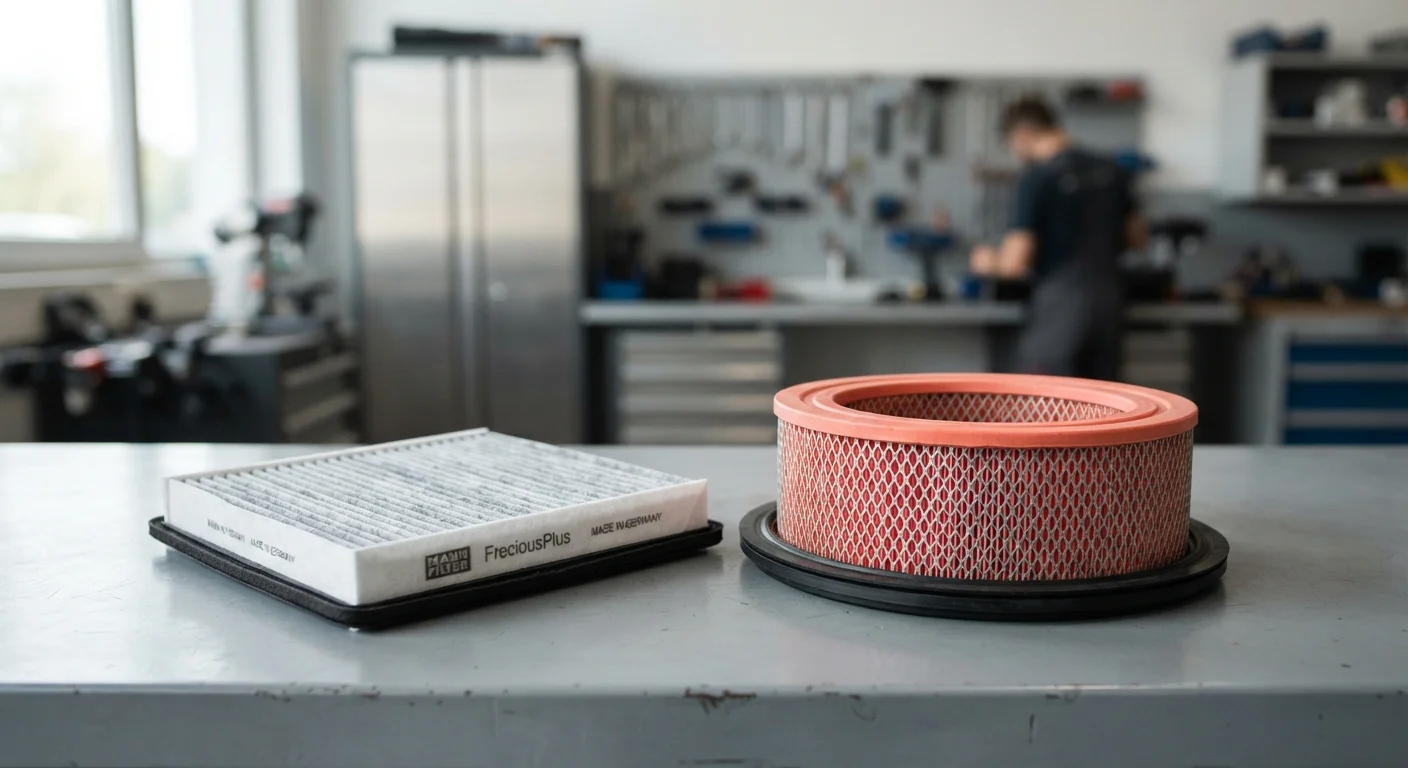
Your vehicle almost certainly contains two separate air filtration systems that work independently of each other. Understanding what each one does - and what happens when it's neglected - helps you make informed maintenance decisions.
The cabin air filter sits within the HVAC (heating, ventilation, and air conditioning) system, typically behind the glove box or under the dashboard. Its job is to clean the air that enters the passenger compartment, trapping dust, pollen, mold spores, and other airborne particulates before they reach you and your passengers. It has no contact with the engine whatsoever.
The engine air filter, by contrast, is positioned in the engine bay - usually inside a plastic airbox connected to the intake system. It prevents dirt, debris, and contaminants from entering the engine's combustion chambers. Clean air is essential for proper fuel combustion; without adequate filtration, abrasive particles can cause premature wear on internal engine components.
| Criterion | Cabin Air Filter | Engine Air Filter |
|---|---|---|
| Location | HVAC system, often behind glove box | Engine bay intake airbox |
| Primary Purpose | Filters air entering the passenger cabin | Filters air entering the engine |
| What It Traps | Pollen, dust, mold spores, odors | Dirt, debris, insects, contaminants |
| Typical Replacement Interval | Every 12,000-15,000 miles | Every 15,000-30,000 miles |
| Impact When Neglected | Poor air quality, weak HVAC airflow | Reduced power, lower fuel economy |
| Affects Engine Performance? | No | Yes, directly |
| Affects Passenger Health? | Yes, directly | No |
Signs Each Filter May Need Attention
Because these filters operate in completely different parts of the vehicle, they show their age in very different ways.
Cabin Air Filter Warning Signs
- Reduced airflow from dashboard vents even at high fan speeds
- Musty or stale odors when running the heater or air conditioning
- Increased dust accumulation on interior surfaces
- Worsening allergy symptoms among regular occupants
Engine Air Filter Warning Signs
- Noticeable drop in acceleration or throttle response
- Reduced fuel economy over time
- Rough idling or misfires in severe cases
- Visibly dark, clogged filter on physical inspection
15,000-30,000 mi
Typical engine air filter service interval
The U.S. Department of Energy notes that driving conditions - especially dusty environments - can shorten this interval significantly.
~25%
Potential fuel economy loss from a clogged engine filter
The U.S. Department of Energy has indicated that a severely restricted engine air filter can reduce fuel economy on older carbureted vehicles; modern fuel-injected engines compensate differently but performance is still affected.
Replacement intervals vary by vehicle and driving environment. Consult your owner's manual for manufacturer-specific guidance, as driving in dusty or polluted conditions typically shortens service life for both filters.
Replacement: What to Expect
Both filters are considered routine maintenance items and are not complex to replace, though the process differs by vehicle model. Many cabin air filters are accessible by removing the glove box panel - a task many drivers can manage with basic guidance from their owner's manual. Engine air filters typically sit in a top-mounted airbox secured by clips or a few screws.
Check Your Owner's Manual First
Replacement intervals and access procedures vary considerably across vehicle makes and models. Your owner's manual is the most reliable source for the correct filter specification and the manufacturer's recommended service schedule. Using an incorrect filter size or type can compromise the seal and reduce filtration effectiveness.
If you're unsure about correct fitment or access, a qualified mechanic can inspect and replace either filter quickly during a routine service visit. Always verify that a replacement filter matches your vehicle's year, make, and model to ensure a proper seal and fit.
It's worth inspecting both filters at least once a year, or whenever the vehicle is in for an oil change. Catching a heavily soiled filter early is far less costly than addressing the problems a neglected filter can eventually cause.