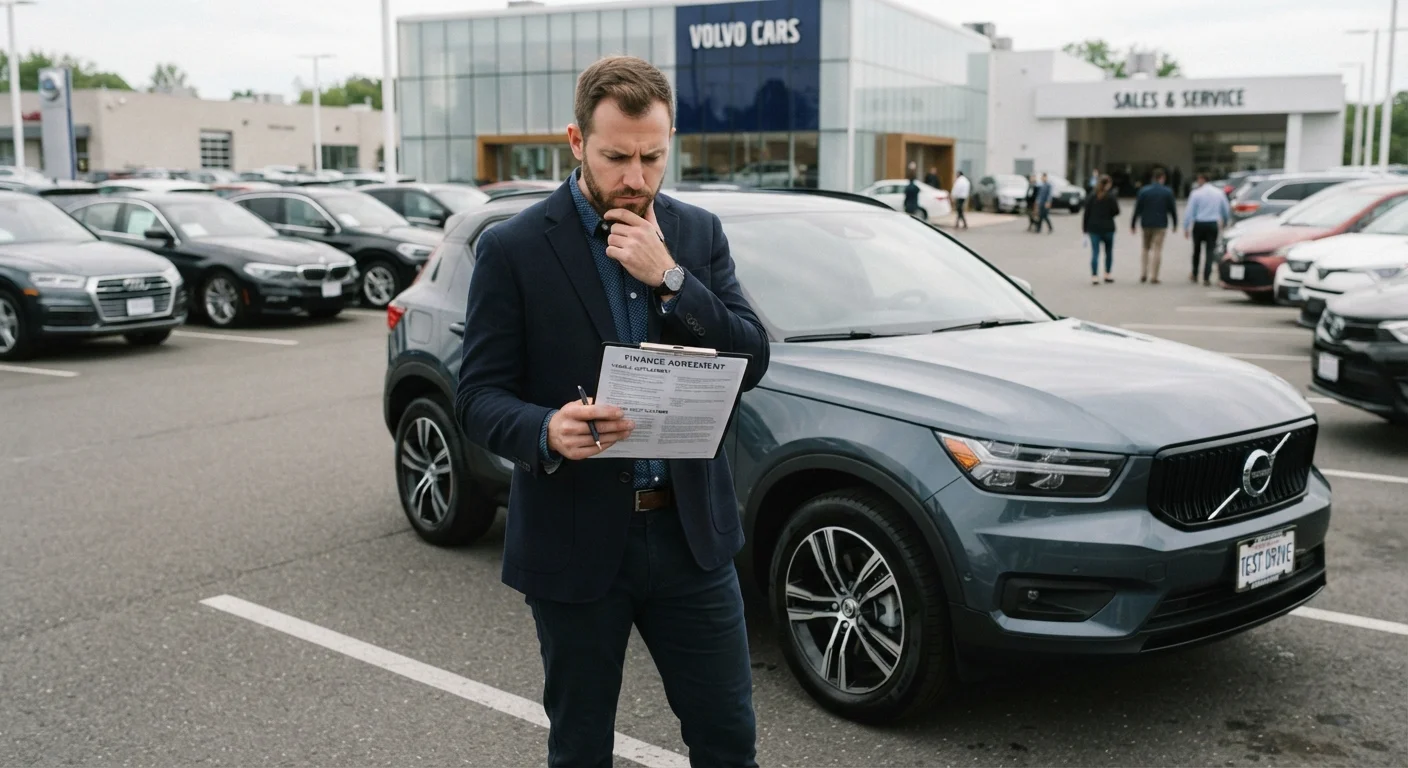


What Happens as Your Lease Term Ends
As your lease approaches its final months, the lessor - typically the automaker's financing arm - will send a lease-end notification outlining your options and any scheduled vehicle inspection. Most contracts allow a pre-return inspection 60 to 90 days before the end date, conducted by a third-party service. This gives you time to address any damage that might otherwise generate a wear-and-use charge.
Three core paths are available at lease end: return the vehicle, purchase it outright, or re-lease a new model. Each has distinct financial and practical implications. For a broader look at how these decisions fit into the overall leasing lifecycle, see this comprehensive resource for US consumers.
Start reviewing your agreement at least 90 days out. Note your contracted mileage allowance, the residual value (the predetermined buyout price set when you signed), and any disposition fee - typically $300-$500 - charged if you return the car without leasing or buying again through the same brand.
Option 1: Returning the Vehicle
Returning the car is the simplest exit. You drop it off at an authorized dealer, settle any end-of-lease charges, and walk away with no further obligation to that vehicle.
Potential costs to expect:
- Excess mileage charges: Contracts typically specify 10,000-15,000 miles per year. Going over incurs a per-mile fee, often $0.15-$0.25, billed at return.
- Excess wear-and-use fees: Dents, interior stains, and tire wear beyond the lessor's defined guidelines are billable. Review the lease's wear standards - most lenders publish these online.
- Disposition fee: Charged if you don't lease or buy another vehicle from the same manufacturer's finance company.
If you drove conservatively, kept the vehicle in good condition, and don't plan to stay with the brand, a clean return is financially straightforward. However, if you're significantly over miles, the charges can add up quickly - worth weighing against the buyout option.
Get a Pre-Return Inspection Early
Schedule your complimentary pre-return inspection as soon as it becomes available - typically 60-90 days before lease end. This gives you time to repair minor damage through your own repair shop, which is often less expensive than the charges billed by the lessor's assessment process. Keep all repair receipts in case of disputes.
Option 2: Purchasing the Vehicle
Your lease contract includes a residual value - the price at which you can buy the vehicle at lease end. This figure was set when the lease was originated, not based on current market conditions.
The buyout becomes financially attractive when the vehicle's current market value exceeds its residual price. In periods of elevated used-car values, lessees have occasionally found their residual prices below prevailing market rates, effectively building equity they can capture by purchasing and reselling or retaining the vehicle.
Conversely, if the market value has dropped below the residual, you'd be overpaying relative to what the car is actually worth on the open market - generally not a sound reason to buy.
Additional factors to weigh:
- You'll need to arrange financing or pay cash; the lessor's finance arm may offer purchase financing directly.
- Sales tax and registration fees apply in most states.
- You take on full ownership responsibilities, including maintenance beyond any remaining manufacturer warranty coverage.
For a thorough side-by-side look at the financial commitment of owning versus leasing long-term, see our leasing vs. buying comparison.
| Return the Vehicle | Purchase the Vehicle | Re-Lease a New Vehicle | |
|---|---|---|---|
| Upfront cost | Potential fees only | Residual price plus tax/title | First month, fees, possible down payment |
| Ongoing monthly cost | None after return | Loan payment or none if cash | New monthly lease payment |
| Equity built | None | Yes, full ownership | None |
| Mileage flexibility going forward | N/A | Unlimited | New contract limits apply |
| Vehicle age/technology | N/A - no vehicle retained | Keeps current model year | Access to newest model year |
| Maintenance responsibility | None after return | Full owner responsibility | Limited - typically under warranty |
| Best when market value is... | Below or at residual | Above residual | Not a primary factor |
Option 3: Re-Leasing a New Vehicle
Re-leasing means starting a new lease - either on a different model or an updated version of your current one. This path is popular with drivers who value driving a vehicle under warranty, prefer predictable monthly costs, and don't want to manage long-term ownership.
Loyalty programs offered by some manufacturers' finance arms may waive the disposition fee and provide lease-end incentives for returning lessees - though the availability and terms of such programs vary and change frequently. Confirm current offers directly with the dealer or financing company.
Re-leasing does mean you'll face a new set of mileage restrictions, a new capitalized cost negotiation, and another multi-year commitment. If your needs have shifted - longer commutes, growing family, changing preferences - evaluate whether the same vehicle class still fits before signing again.
A balanced look at leasing's advantages and drawbacks can help you assess whether continuing to lease aligns with your longer-term financial picture. If you're newer to the process, this plain-language introduction to car leasing covers the full leasing cycle from start to finish.
Don't Wait Until the Final Week to Decide
Delaying your lease-end decision to the last few days limits your negotiating room and may result in automatic return processing with fees you didn't anticipate. Some lessors charge additional fees for late returns beyond the contracted end date. Give yourself at least 30 days of runway to compare buyout financing options, research new lease terms, or arrange a clean return appointment.