

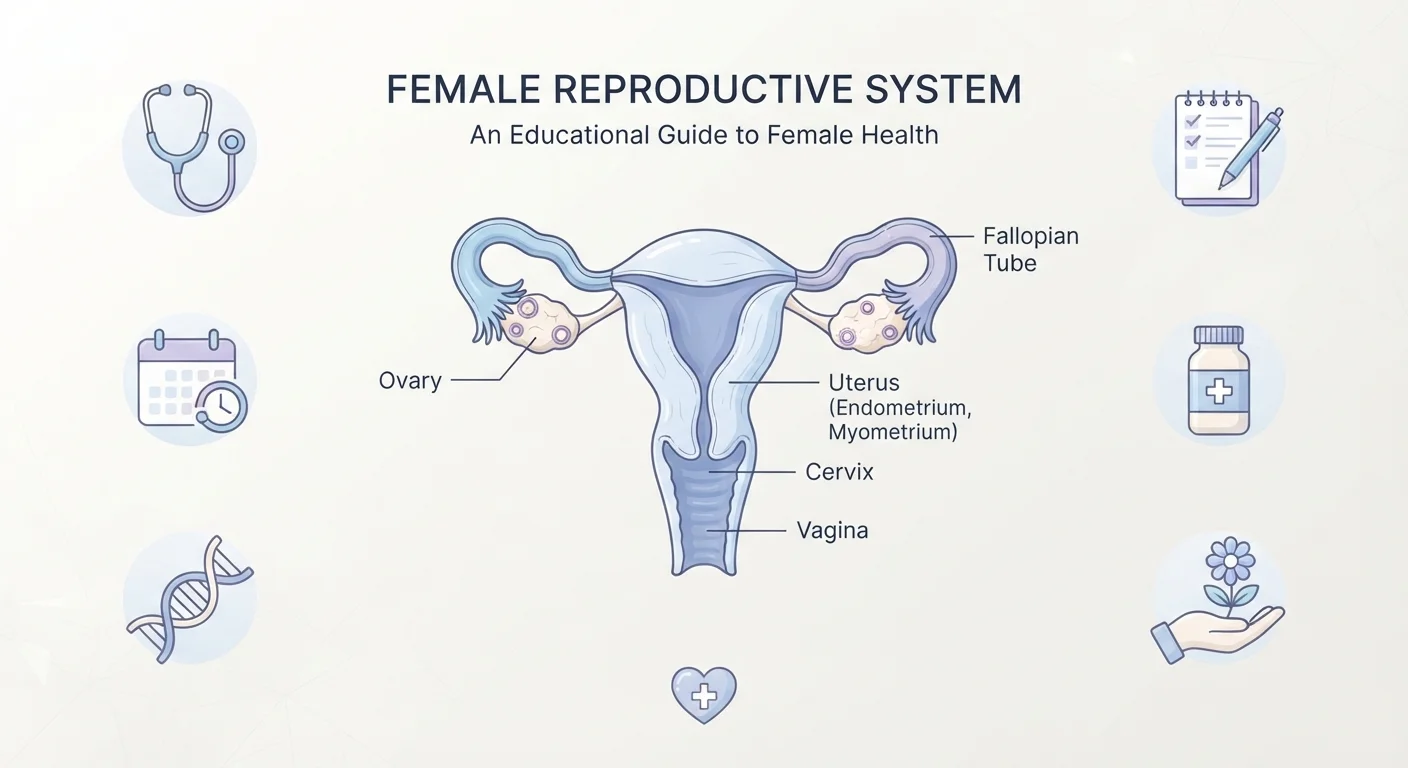
What Is PCOS?
Polycystic ovary syndrome (PCOS) is a hormonal disorder that affects an estimated 6-12% of people with ovaries in the United States, according to the CDC. Despite being one of the most prevalent endocrine conditions among reproductive-age individuals, it is frequently misunderstood - both by patients and, at times, by clinicians.
At its core, PCOS involves an imbalance of reproductive hormones, particularly elevated androgens (often called "male hormones," though present in all people). This imbalance can disrupt the normal development and release of eggs from the ovaries, contributing to irregular or absent menstrual cycles and a range of other symptoms that extend well beyond reproductive health.
Androgens
A group of hormones - including testosterone - present in all people but in higher concentrations in those with PCOS. Elevated androgens drive many hallmark symptoms such as excess facial hair and acne.
Insulin resistance
A condition where the body's cells don't respond normally to insulin, the hormone that regulates blood sugar. It is common in PCOS and contributes to weight changes and increased diabetes risk.
Anovulation
The absence of ovulation - when an egg is not released from the ovary during a menstrual cycle. In PCOS, this occurs frequently and is a primary driver of irregular periods and fertility challenges.
Hirsutism
Unwanted or excessive hair growth in areas where hair is typically minimal in people assigned female at birth, such as the face, chest, or back. It results from elevated androgen levels.
Rotterdam Criteria
The internationally recognized diagnostic framework for PCOS, requiring at least two of three specific clinical features to be present after ruling out other conditions.
Endometrial hyperplasia
An abnormal thickening of the uterine lining, often caused by prolonged lack of ovulation. Over time, this can increase the risk of endometrial cancer if not monitored and treated.
Recognizing the Symptoms
PCOS presents differently from person to person, which is a key reason it is so often delayed in diagnosis. Common symptoms include:
- Irregular or absent menstrual periods - cycles that are unpredictable, infrequent, or very prolonged
- Excess androgen activity - manifesting as acne, oily skin, or unwanted hair growth on the face, chest, or back (hirsutism)
- Hair thinning or loss on the scalp, sometimes resembling male-pattern baldness
- Weight changes - particularly difficulty managing weight or unexplained weight gain, often linked to insulin resistance
- Difficulty conceiving due to irregular ovulation
- Mood changes - research suggests higher rates of anxiety and depression among people with PCOS, though the mechanisms are still being studied
Not every person with PCOS will experience all of these symptoms, and the severity can range from mild to significantly disruptive.
Track Your Cycle - It Matters Clinically
Keeping a record of your menstrual cycle - including start dates, duration, and any irregularities - provides valuable data for a clinical evaluation. Many free apps can help with this, or a simple written log works equally well. Even a few months of data can help a provider spot patterns consistent with PCOS or another condition.
Why PCOS Is So Often Misdiagnosed
The diagnostic journey for PCOS is frequently long and frustrating. Several factors contribute to this:
- Symptom overlap: Irregular periods, acne, and weight changes are common and can point to many conditions, including thyroid disorders, hyperprolactinemia, or late-onset congenital adrenal hyperplasia - all of which must be ruled out before a PCOS diagnosis is confirmed.
- Reliance on a single test: Some patients are told they have PCOS based solely on an ultrasound, while others are dismissed because their ultrasound appears normal. Neither approach reflects the full diagnostic picture.
- Variability in presentation: People of different body types, ethnicities, and ages experience PCOS differently. For example, insulin resistance is more prominent in some groups, while elevated androgens dominate in others.
PCOS Looks Different Across Populations
Research shows that PCOS can present with distinct patterns depending on ethnicity and body type. For example, South Asian individuals with PCOS tend to show more pronounced metabolic features such as insulin resistance, while some lean individuals may have predominantly androgen-related symptoms. This variability can make diagnosis more challenging and highlights why a thorough clinical evaluation - not a single test - is essential.
How PCOS Is Diagnosed
The most widely used framework is the Rotterdam Criteria, which requires that at least two of the following three features be present - after other causes have been ruled out:
- Irregular or absent ovulation (often reflected in irregular periods)
- Clinical or biochemical signs of elevated androgens
- Polycystic-appearing ovaries on ultrasound
A thorough evaluation typically includes a detailed medical history, physical examination, blood tests to assess hormone levels (including testosterone, LH, FSH, and thyroid function), and pelvic ultrasound. Your provider may also screen for insulin resistance and lipid levels, given their relevance to long-term health.
Associated Health Risks and Long-Term Considerations
PCOS is not solely a reproductive condition. Without appropriate monitoring and management, it is associated with a meaningfully elevated risk of several long-term health concerns:
- Type 2 diabetes and prediabetes - insulin resistance is present in a significant proportion of people with PCOS regardless of body weight
- Cardiovascular disease - including elevated blood pressure and unfavorable cholesterol profiles
- Endometrial hyperplasia - chronic lack of ovulation can cause the uterine lining to thicken, raising the risk of endometrial cancer over time
- Sleep apnea - particularly in those with obesity or significant androgen excess
- Mental health impacts - including clinically recognized increases in rates of anxiety and depression
Understanding these associations is not intended to alarm, but to underscore why timely diagnosis and ongoing care matter. Effective management strategies exist and are best developed in partnership with a qualified healthcare team.
PCOS Awareness Association
A nonprofit organization dedicated to raising awareness about PCOS and supporting those affected. Offers educational materials and peer connection resources.
National Institutes of Health - PCOS Overview
An authoritative, government-published overview of PCOS covering research findings, common symptoms, and diagnostic considerations from a clinical perspective.
Menstrual Cycle Tracking Tool
A digital or app-based cycle tracker helps you log menstrual patterns over time - data that is genuinely useful when seeking a clinical evaluation for suspected PCOS.
When to Seek Medical Evaluation
If you are experiencing symptoms that may be consistent with PCOS - such as irregular periods, unexpected hair growth or loss, or difficulty conceiving - it is worth raising these concerns with a healthcare provider. Early evaluation creates more options for managing symptoms and reducing long-term health risks.
When preparing for an appointment, it can be helpful to track your menstrual cycle patterns, note any physical changes you have observed, and compile a family history of hormonal or metabolic conditions. This information provides a useful clinical picture for your provider.
Don't Self-Diagnose Based on Symptoms Alone
The symptoms associated with PCOS - irregular periods, acne, and weight changes - overlap significantly with other conditions, some of which require different treatment entirely. Attempting to self-diagnose or self-treat based on online information can delay appropriate care. Always work with a licensed healthcare provider to reach an accurate diagnosis.
This article is for general informational and educational purposes only and does not constitute medical advice. PCOS is a complex condition that requires individualized evaluation by a qualified healthcare professional. If you have concerns about symptoms or your reproductive health, please consult a licensed physician, OB-GYN, or endocrinologist.